

.png)


Solar Pool Heating vs. Heat Pump NZ: Which Is Best for Your Backyard?
Why is it that some Kiwi families invest upwards of NZ$3,000 in solar setups only to find their pool still feels like an ice bath during a cloudy week in October? Most pool owners simply want to get the most from their water playgrounds without watching their monthly electricity bills skyrocket. We know how frustrating it is when the kids are ready to swim, but the water temperature is stuck at a shivering 19 degrees. Finding the right balance between solar pool heating vs heat pump nz technology is the key to escaping those shoulder-season chills and reclaiming your backyard.
As trusted suppliers with over 30 years of experience in the New Zealand market, we've seen which systems actually deliver when the southern clouds roll in. You deserve an honest look at the running costs, heating reliability, and seasonal performance of each option. This guide provides the technical clarity you need to secure a warm pool for 6 to 8 months of the year. We'll compare initial investments against long-term energy savings to ensure your pool remains a place of relaxation rather than a source of financial stress.
Key Takeaways
- Learn how to navigate the New Zealand "shoulder seasons" and why shifting away from traditional gas heating can lower your carbon footprint and monthly expenses.
- Explore the "zero running cost" appeal of solar collectors and how they harness the Kiwi sun to heat your water playground for free.
- Evaluate the reliability of modern inverter technology when comparing solar pool heating vs heat pump nz to ensure consistent temperatures regardless of the weather.
- Get a clear breakdown of upfront equipment costs versus long-term electricity efficiency to make a budget-smart investment for your backyard.
- Use our regional decision matrix to match the best heating technology to your local climate and specific swimming habits.
The NZ Pool Heating Landscape: Solar vs. Heat Pumps
New Zealand pool owners often face a frustrating reality. Without assistance, an unheated backyard pool is only comfortable for about 12 weeks of the year. This has led to the rise of the "shoulder season" concept. Owners now look to reclaim October, November, March, and April to get the most from their water playgrounds. While gas heaters were once the standard, they've fallen out of favour. Rising natural gas prices and a drive to lower carbon footprints make gas a costly, dated choice in 2024. Most modern Kiwis now weigh up solar pool heating vs heat pump nz technology to keep their water inviting.
The fundamental difference lies in the energy source. Solar systems capture free thermal energy directly from the sun. You can learn more about how solar water heating works by studying thermal collector mechanics. In contrast, heat pumps use electricity to extract heat from the surrounding air and transfer it to the water. Regardless of the system you choose, a high-quality pool cover remains non-negotiable. Without a cover, you lose up to 70% of your pool's heat through evaporation. It's effectively throwing money into the wind.
The Goal: Extending the Kiwi Swimming Season
The ideal NZ swimming window spans from Labour Weekend in October through to Easter in April. In the North Island, milder ambient temperatures make this easier to achieve. South Island owners face colder overnight lows and ground temperatures, requiring more robust hardware. Today's owners demand "set and forget" automation. Modern controllers monitor temperatures 24/7 and activate pumps only when efficiency is peaked. This ensures the water is ready when you are without manual intervention.
Energy Efficiency and the NZ Environment
New Zealand's electricity grid is currently 82% renewable. This makes electric heat pumps a very green choice compared to fossil fuels. However, our environment is uniquely harsh. NIWA data shows NZ's UV levels can be 40% higher than similar latitudes in the Northern Hemisphere. This makes selecting UV-stabilised equipment critical for longevity. Aqua Clear Products has spent over 30 years helping Kiwi professionals and consumers select gear that survives these conditions. We provide the expertise needed to ensure your investment lasts for decades, not just a few seasons.
Solar Pool Heating: Harnessing the Kiwi Sun
Solar heating is the classic choice for families looking to extend their summer without adding to their monthly overheads. When weighing up solar pool heating vs heat pump nz options, the "zero running cost" promise is often the biggest hook. The system works by using your existing pool pump to circulate water through a series of flexible, UV-stabilised collectors mounted on your roof. These collectors, often made of durable EPDM rubber or high-grade plastic strips, soak up the sun's thermal energy and transfer it directly to the water as it flows back into your pool.
The financial appeal is clear. While a heat pump requires electricity to operate, solar energy is free. According to the U.S. Department of Energy, well-designed solar systems can significantly reduce swimming pool heating costs compared to traditional gas or electric heaters. For a standard 8m x 4m pool in a region like Auckland, this can save a homeowner between NZ$700 and NZ$1,300 in annual energy bills. However, you need ample space. A successful installation typically requires a roof area equal to 80% or 100% of the pool's surface area to be effective.
When Solar Works Best in New Zealand
Solar thrives on north-facing roofs with a pitch between 15 and 30 degrees. It acts as a natural booster, adding 4 to 7 degrees to the water temperature during the peak months of November through March. In coastal areas like Tauranga or Napier, wind is a major factor. Strong gusts can strip heat from the roof-mounted strips faster than the sun can provide it. This makes a wind-protected roof orientation essential for maintaining efficiency. For Kiwi professionals and homeowners, it's a reliable way to ensure the water is inviting during the height of summer.
Potential Drawbacks to Consider
The "no sun, no swim" reality is the primary limitation in New Zealand's unpredictable climate. If a week of grey skies hits, your pool temperature will drop, and the system cannot recover until the sun returns. Maintenance is also a factor. You must winterise the system by draining the collectors before the first Waikato or Otago frost to prevent the pipes from cracking. There is also the aesthetic impact of black strips on your roof and the risk of debris buildup behind the pipes, which can lead to moisture issues if not installed by experts. As trusted suppliers for over 30 years, we help you decide if this fits your specific solar pool heating vs heat pump nz needs to keep your water playgrounds comfortable.
Modern Heat Pumps: Reliability in Any Weather
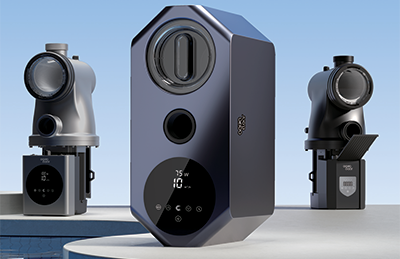
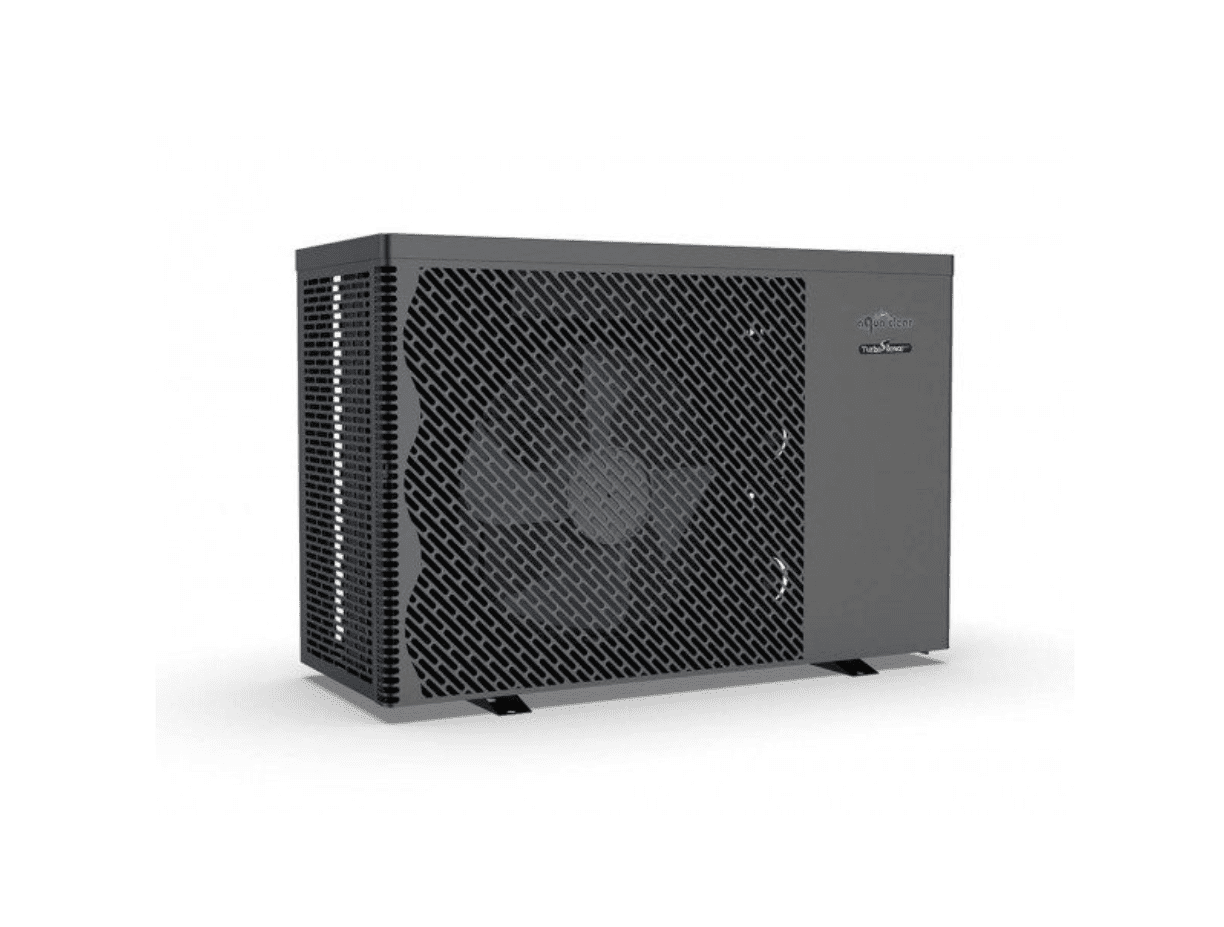
While solar systems wait for a cloudless day, modern heat pumps provide a dependable solution for Kiwi families who want a guaranteed swim. These units don't create heat through a resistive element like a kettle. Instead, they act like a refrigerator in reverse. By extracting ambient heat from the surrounding air and transferring it into your water, heat pump pool heaters can maintain a steady 28°C even when the South Island breeze picks up or Auckland clouds roll in. When comparing solar pool heating vs heat pump nz options, the primary advantage is this total independence from direct sunlight.
Installation is straightforward and avoids the aesthetic impact of large solar collectors. A solar array often requires 30 to 60 square metres of north-facing roof space to be effective. In contrast, a high-performance heat pump occupies less than 1.5 square metres of ground space near your filtration equipment. This small footprint makes them ideal for modern subdivisions where roof lines are complex or shaded by neighbouring two-storey homes. It's an efficient way to maximise your property without cluttering your roofline.
Understanding COP (Coefficient of Performance)
Efficiency in the heat pump world is measured by COP. If a unit has a COP of 5.0, it produces 5kW of heat for every 1kW of electricity it consumes. Standard on-off units used to struggle with high power bills, but Aqua Clear’s latest inverter models are different. These units vary their motor speed to match the exact heat loss of the pool. In New Zealand’s spring and autumn conditions, our inverter units often achieve a COP as high as 13.0 or 15.0 during maintenance cycles. You'll find efficiency is highest when the air is 20°C or warmer, though quality units still operate effectively even when temperatures dip toward 0°C.
Quiet Operation and Smart Control
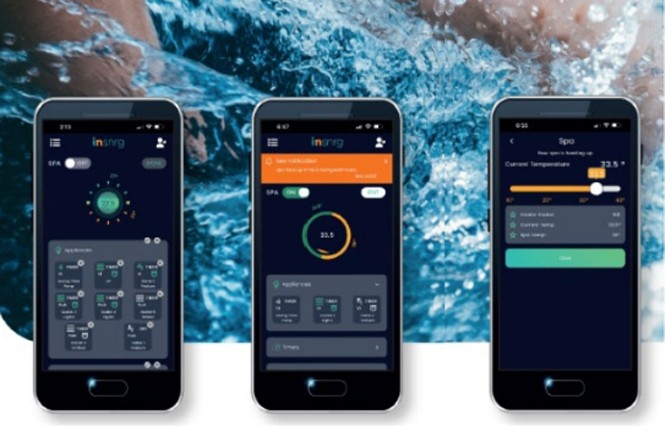
The "noisy fan" reputation belongs to the technology of the 1990s. Modern inverter units operate at sound levels as low as 40dB, which is quieter than a standard household refrigerator. This silence allows you to place the unit near a boundary without bothering the neighbours or interrupting the peace of your backyard. Most of our range now features built-in Wi-Fi and mobile app integration. You can check your "water playground" temperature from your smartphone while at work and boost the heat for a Friday night dip. It’s a "set and forget" system that removes the guesswork from pool ownership, ensuring your investment is always ready for use regardless of the forecast.
Solar vs. Heat Pump: The NZ Cost & Performance Breakdown
Choosing between these two technologies requires looking past the initial price tag. A standard solar system for a 32m2 pool usually costs between NZ$3,500 and NZ$6,500 for professional installation. High-efficiency inverter heat pumps sit higher, typically ranging from NZ$5,500 to NZ$11,000 depending on the kilowatt output required for your region. While solar looks cheaper upfront, the installation often involves complex roof plumbing that must withstand New Zealand's high UV index and coastal winds.
- Running Costs: Solar is nearly free to run, costing only about NZ$0.80 to NZ$1.50 per day to power the booster pump. Inverter heat pumps cost roughly NZ$3.00 to NZ$6.00 per day during summer, but they offer far more control.
- Durability: NZ's salt-heavy air can corrode cheap components in months. We recommend heat pumps with titanium heat exchangers and solar collectors with high UV stabilization to ensure a 12 to 15-year lifespan.
- Maintenance: Expect to spend about NZ$150 annually on a heat pump service to clear debris and check refrigerant levels. Solar systems need regular inspections for leaks or cockatoo damage, which can cost NZ$200 per call-out.
ROI: Which System Pays for Itself Faster?
Solar systems generally reach a "break-even" point within 3 to 5 years because they use zero paid energy for heating. However, the return on investment for solar pool heating vs heat pump nz isn't just about power bills. A heat pump increases the "cost per swim hour" value. If you spend NZ$40,000 on a pool but only use it for 12 weeks, your investment is underutilized. A heat pump doubles your swimming window, which significantly increases the functional value of your property and your family's enjoyment of their water playground.
Performance During the Shoulder Seasons
October and March are the true tests for any Kiwi pool. In Auckland or Christchurch, solar often fails to reach 26°C during these months if there's three days of cloud. Heat pumps don't care about the sun; they extract heat from the air. This makes them the only reliable choice for families who want a guaranteed 28°C for an October birthday party. For the ultimate setup, many of our clients use a hybrid approach. They use solar for the bulk of the "free" heat and an inverter heat pump to top it up during the chilly shoulder seasons.
Our experts can help you select the most efficient heating system to keep your pool warm all year round.Making the Choice: Which System Suits Your NZ Lifestyle?
Choosing between solar pool heating vs heat pump nz depends entirely on how you intend to use your water playground. Your geographic location, desired swimming hours, and the physical layout of your property dictate which technology delivers the best return on investment. While solar relies on the mercy of the clouds, modern heat pumps provide a guaranteed temperature regardless of the Kiwi breeze.
- Pool Size: Larger family pools over 45,000 litres often require extensive solar collector coverage, sometimes needing 80% to 100% of the pool's surface area in roof space.
- Usage Frequency: If you demand a 28°C swim for a 7:00 AM workout, a heat pump is your only reliable partner. Solar typically doesn't reach peak temperature until late afternoon.
- Budget: Solar has the lowest monthly running costs, but the initial installation for a high-quality system can mirror the price of a mid-range inverter heat pump.
Regional Recommendations: North vs. South
In Auckland and Northland, pool owners benefit from higher sunshine hours. You can often stretch your swimming season from October through to April using a well-installed solar system. The warmer ambient air helps solar collectors perform at peak efficiency for six months of the year. However, Christchurch and Otago owners face much harsher conditions. In these southern regions, a heat pump is essential for anyone wanting more than a six-week swimming window. The cooler nights in the south mean solar gain is often lost by morning. For those living in coastal spots like Napier or New Plymouth, ensure your equipment features titanium heat exchangers. These components resist salt spray corrosion, which can destroy standard copper elements in under 24 months.
Why Trust Aqua Clear for Your Heating Needs?
We've been the go-to experts for Kiwi professionals and consumers for over 30 years. Our team understands that every backyard has a unique microclimate. We don't believe in one-size-fits-all solutions. Instead, we focus on high-efficiency technology that provides peace of mind and lower power bills. You can check out our range of energy-efficient pool heat pumps which utilize advanced inverter technology to reduce energy draw by up to 80% compared to older models.
Our commitment to you doesn't end at the checkout. We pride ourselves on robust before-and-after sales support. Whether you're troubleshooting a controller or planning a new build, our seasoned experts are available to help. Getting a professional site assessment is the most vital step before you buy. A quick evaluation of your roof orientation and existing plumbing can save you thousands in future retrofitting costs. Reach out to our team today to find the perfect fit for your home.
Secure Year-Round Comfort for Your Kiwi Backyard
Deciding between solar pool heating vs heat pump nz depends on your swimming goals and local weather patterns. Solar systems offer a low-cost way to extend your summer season by up to 4 months using free energy. If you want a consistent 28°C temperature regardless of the clouds, modern heat pumps provide the reliability needed for year-round enjoyment. High-efficiency inverter technology can now reduce your running costs by up to 80% compared to older units; it's a smart long-term investment for any New Zealand home.
Aqua Clear has been a trusted supplier for over 30 years, helping families get the most from their water playgrounds. We're leading suppliers of high-efficiency inverter technology and provide expert before-and-after sales support to ensure your system performs perfectly. Whether you're building a new pool or upgrading an existing one, our seasoned team helps you navigate the technical details with ease. You'll gain total peace of mind knowing your pool is backed by decades of local expertise.
Find the perfect heating solution for your water playground and start enjoying a warmer pool today.