



Pool owners
LearnPool & spa guidesFix a problemIdentify a pool stainLo-Chlor stain treatment
How a pool works
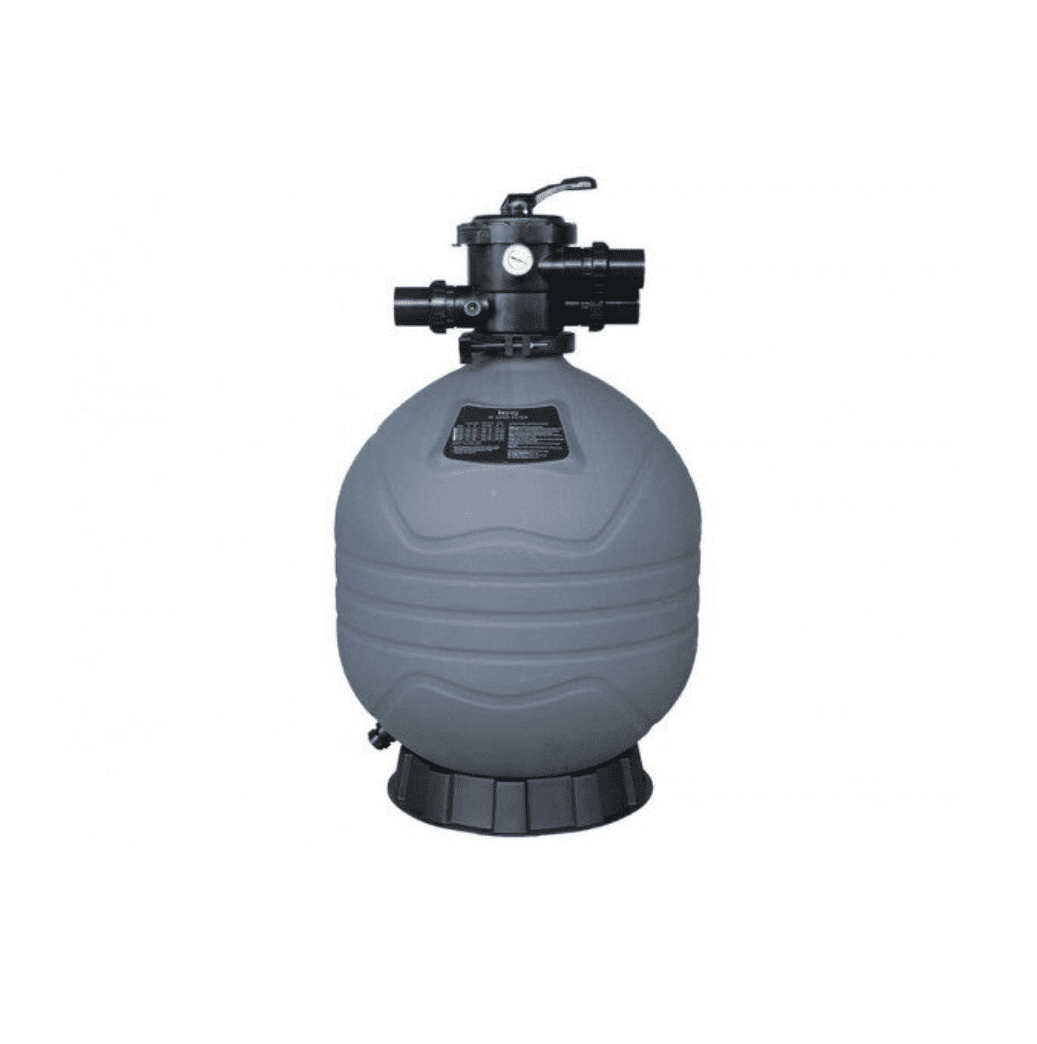
The pump moves water through the filter to collect particles. A salt chlorinator uses dissolved salt to generate chlorine as the water circulates.

Water level control
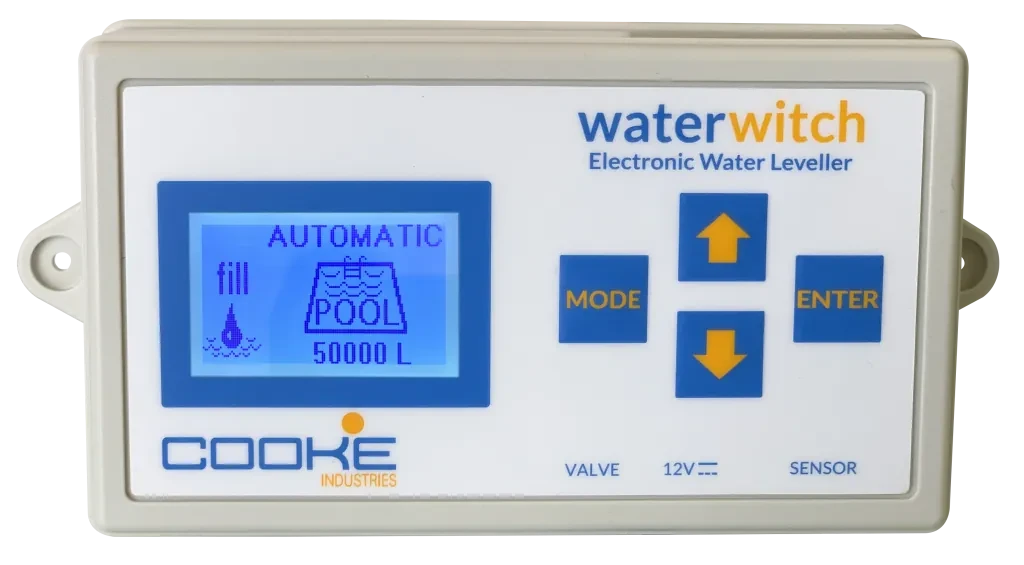
Maintain the waterline with a controller suited to your installation.

No matching items
Try another search, explore the range information below, or ask our team for help.
Clear search →Buying for the trade?Sign in for trade pricing →Apply for an account
Range information & resources
Water Level Control Systems for Pools, Ponds & Tanks
Keeping water at the right level matters — too low and your pump runs dry, too high and water overflows, wastes chemicals and damages surrounding landscaping. Our water level control systems automatically top up pools, ponds, fountains, water tanks and aquariums, so you never have to watch a hose again. At Aqua Clear, we stock both manual float-style fill valves and electronic water level controllers to suit any water feature, pool or tank setup.
Why Install a Water Level Controller?
- Automatic top-ups — maintains a constant, pre-set water level 24/7, compensating for evaporation, splash-out and backwashing.
- Protects your pump — prevents low-water dry running, one of the most common causes of premature pump failure.
- Prevents overflow — stops water waste, chemical dilution and flooding around your pool or pond edges.
- Saves time and water — no more manual hosing; most systems pay for themselves in reduced water bills.
- Ideal for holidays — keeps levels stable while you're away, making it a favourite for pool owners and holiday rental properties.
Which Type Should You Choose?
| Type | Best For | How It Works |
|---|---|---|
| Manual Float Style | Swimming pools, ponds, tanks on a budget | A mechanical float opens and closes a fill valve as the water level rises and falls — simple, reliable and no power required. |
| Electronic Water Level Controller | Fountains, features, and precision applications | Electronic sensors detect the water level and control the refill solenoid — more accurate, with adjustable set points and safety cut-offs. |
Choosing the Right System
Consider the size of your pool, pond or tank, whether mains power is available nearby, and how precise the level needs to be. Float systems are the low-maintenance choice for most residential pools, while electronic controllers suit ornamental fountains, koi ponds and applications where a narrow water level tolerance is important. Not sure which suits your setup? Contact the Aqua Clear team for advice — we'll help you match the right controller to your pump and plumbing.
Installation Tips
- Install during construction where possible — retrofitting is easy, but a built-in install gives the cleanest result.
- Position the controller away from skimmers and returns so it reads true water level, not surface movement.
- Use a filter or strainer on the fill line to prevent debris jamming the valve.
- Check and clean floats or sensors as part of your regular pool or pond maintenance routine.