

.png)


How to Winterise a Salt Water Pool in NZ: The Complete 2026 Guide
What if the secret to a crystal-clear spring isn't more chemicals, but a smarter approach to your equipment settings in May? Many New Zealand pool owners believe they must choose between high power bills from running old pumps or the inevitable "green swamp" that greets them in October. However, learning how to winterise a salt water pool nz style is actually about transitioning your system into a low-energy protection mode that safeguards your investment.
We understand the frustration of balancing rising electricity costs with the fear of algae growth or damaged salt cells. You've invested in your leisure space, and you deserve peace of mind during the off-season. This complete 2026 guide promises to show you the exact steps required to protect your salt water pool and equipment through the coldest months. We'll walk you through adjusting chlorinator outputs for cold water, maintaining water chemistry, and using modern technology like variable-speed pumps to keep maintenance costs at an absolute minimum while extending the lifespan of your gear.
Key Takeaways
- Understand the unique timing of the New Zealand winter season and why salt water pools require specialized care compared to standard chlorine systems.
- Learn how to winterise a salt water pool nz by adjusting your salt chlorinator settings to account for the "Cold Water Effect" when temperatures drop below 15°C.
- Identify the exact steps to protect your salt cell and filtration equipment from scale buildup and unnecessary wear during the off-season.
- Discover how to lower your winter power bills by optimising filtration cycles and utilizing energy-efficient variable speed pool pumps.
- Prepare your pool for a crystal-clear spring opening by maintaining balanced water chemistry and equipment health throughout the colder months.
Table of Contents
- Understanding Winterisation for New Zealand Salt Water Pools
- Caring for Your Salt Chlorinator Cell and Water Chemistry
- A Step-by-Step Guide to Winterising Your Pool
- Optimising Energy Efficiency and Equipment Longevity
- Professional Pool Protection with Aqua Clear Products
Understanding Winterisation for New Zealand Salt Water Pools
Winterisation in New Zealand usually covers the window from May through October. It is a period where your pool transitions from a hub of family activity to a quiet, protected leisure space. For owners of salt water systems, this process is slightly different than for traditional chlorine pools. You aren't just adding chemicals and walking away. You are managing a sophisticated electrolysis system that reacts specifically to the drop in water temperature. Understanding how to winterise a salt water pool nz style means respecting our unique local conditions.
The core philosophy we recommend is "active winterisation." Instead of shutting down the system completely, you keep the water moving at a reduced rate. This prevents the water from becoming stagnant, which is the primary cause of equipment failure and water quality issues. By maintaining a low level of circulation, you ensure that your salt chlorinator and pump remain in good working order, ready for the first warm days of spring. It's about protection through movement.
Why You Should Never Just Turn Off Your Pool
It might be tempting to flip the switch and forget your pool until October, but this often leads to expensive consequences. Stagnant water is a breeding ground for algae blooms. Cleaning a "green swamp" in the spring can cost hundreds of dollars in professional labour and heavy chemical dosing. Beyond the water quality, your equipment suffers too. Internal pump seals can dry out and crack without regular lubrication from water flow, while chlorinator sensors may become unresponsive. Running your pump for just a few hours a day is a small investment that prevents these major repair costs.
NZ Regional Climate Considerations
New Zealand's diverse geography means a one-size-fits-all approach doesn't work. If you are in Auckland or Northland, high humidity and mild temperatures mean algae can remain active all winter. You'll need to monitor your sanitiser levels more closely than those in cooler regions. You don't want to be caught off guard by a mid-winter bloom during a warm spell.
For those in the Central Plateau or the South Island, the challenge shifts to protecting equipment from hard frosts. Moving water is much harder to freeze, so timing your filtration cycles during the coldest part of the night can prevent damage to your pipes and filters. Regardless of where you live, high winter rainfall is a factor. Heavy rain dilutes your salt concentration, which can cause your salt chlorinator to work harder or shut down entirely. Regularly checking salt levels after a big storm is a vital part of knowing how to winterise a salt water pool nz effectively.
Caring for Your Salt Chlorinator Cell and Water Chemistry
Your salt chlorinator cell is the heart of your pool's sanitisation system. It works through electrolysis, a process that converts dissolved salt into chlorine gas to keep your water safe and clear. However, many New Zealand pool owners are surprised when their system starts behaving differently as winter arrives. This is primarily due to the "Cold Water Effect." Most salt cells become significantly less efficient when water temperatures drop below 15°C. In some cases, your chlorinator may even trigger a "low salt" warning. This happens because cold water is less conductive, even if your actual salt levels are perfect.
Learning how to winterise a salt water pool nz involves understanding these equipment quirks. During the low-demand winter months, you must reduce your chlorinator's output. Since bather load is non-existent and the sun’s UV rays are much weaker, your pool requires far less sanitiser to stay healthy. Setting your output to 20% or 30% is often sufficient. This adjustment prevents over-chlorination and significantly extends the lifespan of your electrolytic plates by reducing their workload.
Cleaning and Inspecting the Salt Cell
Scaling is the primary enemy of cell efficiency. Look for white, flaky calcium deposits on the metal plates inside the cell housing. If you see buildup, use a specialised cell cleaning solution to dissolve the calcium without damaging the delicate precious-metal coating on the plates. While the cell is removed, inspect the flow switch and sensors. These components ensure the system only generates chlorine when water is moving. Ensuring they are clean and functional is vital for winter reliability. If your current system is showing signs of age or struggling with the cold, exploring high-efficiency salt chlorinators can provide better automation for the off-season.
Winter Chemistry Targets for NZ Pools
Maintaining a balanced environment is essential for protecting your equipment. Salt pools naturally experience a rise in pH during the electrolysis process, so aim to keep your levels between 7.2 and 7.6. This range ensures your chlorine remains active and helps prevent scale from forming on your pool's surface. You should also maintain these specific targets:
- Total Alkalinity: Keep this between 80 and 120 ppm to act as a buffer for your pH.
- Calcium Hardness: Maintain levels around 200 to 400 ppm to prevent the water from becoming "hungry" and Corroding equipment.
- Cyanuric Acid: Even in low-sun months, keep levels at 30 to 50 ppm to protect your chlorine residual.
- Phosphates: Aim for near-zero. Phosphates are "algae food," and removing them before winter makes your spring opening much easier.
By mastering these chemistry basics, you ensure that how to winterise a salt water pool nz becomes a simple, repeatable routine that saves you time and money.
A Step-by-Step Guide to Winterising Your Pool
Executing a proper plan for how to winterise a salt water pool nz involves a series of logical, hands-on steps that transition your equipment into protection mode. While the chemistry targets discussed previously provide the foundation, the physical preparation of your pool determines how much work you'll face come spring. By following a structured process, you ensure that your salt chlorinator and filtration system aren't working against debris or hidden contaminants during the colder months.
The Pre-Winter Deep Clean
Before you adjust your settings, you must ensure the pool is physically spotless. Start by brushing the walls and floor thoroughly. This simple task dislodges microscopic algae spores that often hide in porous surfaces or tight corners. Follow this with a comprehensive vacuum to remove organic debris. Leaving leaves or dirt in the pool over winter can lead to permanent tannin staining on your pool’s finish. Finally, give your filtration system some attention. Backwash your sand filter or deep clean your cartridges. A clean filter ensures maximum flow and reduces the pressure on your pump during its winter cycles.
Setting Your Winter Run Times
Efficiency is key during the off-season. In the New Zealand climate, we recommend the "4-hour rule" for winter circulation. Running your pump for four hours a day is generally sufficient to move the entire volume of water and prevent stagnation. While you're at the control box, adjust your salt chlorinator output. Since the chlorine demand is low, a setting of 10% to 20% is usually plenty to maintain a safe residual. It's also the best time to remove your robotic pool cleaner from the water. Store it in a dry, shaded area. Leaving a robotic cleaner in cold, chemically treated water all winter can degrade its seals and electronics prematurely.
Using Winter Algaecide and "Long-Life" Sanitisers
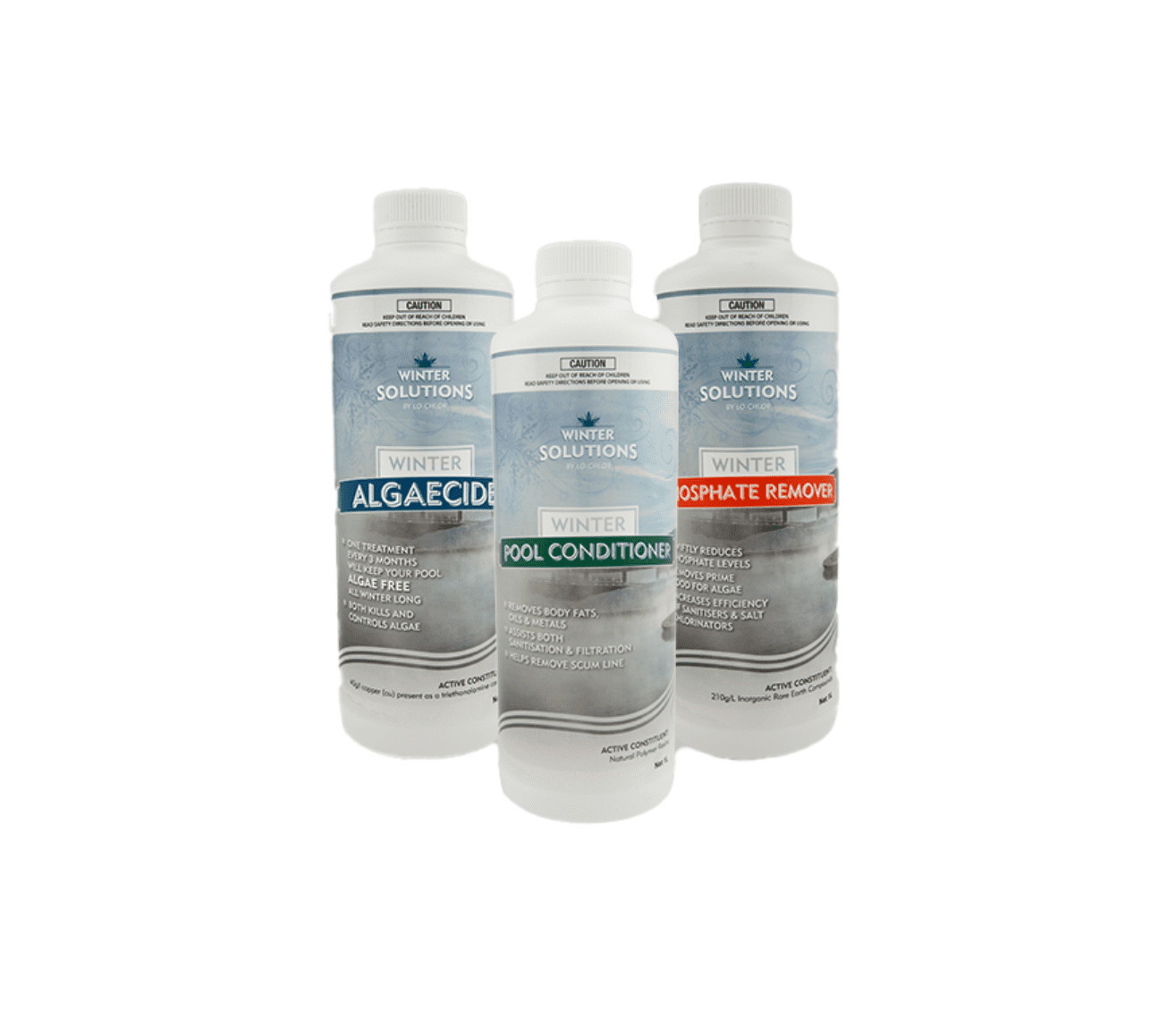
Even with your chlorinator running, a winter algaecide provides an essential secondary layer of protection. You'll typically choose between copper-based and non-copper formulas. Copper-based options are highly effective and long-lasting, though they require careful pH management to prevent staining. Non-copper "polyquat" algaecides are often safer for all pool types. Before adding these, "shock" the pool with a high dose of sanitiser to kill any lingering bacteria. This creates a clean slate for the algaecide to work. As the season progresses, keep a close eye on your salt levels. Heavy New Zealand winter rains can quickly dilute your pool water. If the salt concentration drops too low, your chlorinator will stop producing sanitiser, leaving your pool vulnerable to a mid-winter bloom. Checking these levels once a month is a core part of how to winterise a salt water pool nz effectively.