.png)


Troubleshooting Common Pool Equipment Problems NZ: 2026 Expert Guide
Did you know that the initial purchase price of your pool pump represents only about 20% of its total lifetime cost? In New Zealand's 2026 energy market, where Auckland residential rates sit around $0.33 to $0.39 per kWh, the remaining 80% is dictated by how efficiently your hardware runs. When you're staring at a cloudy pool or a pump that refuses to prime, the instinct is to call a technician immediately. However, mastering troubleshooting common pool equipment problems nz can save you hundreds in unnecessary call-out fees and prevent your leisure space from turning into a green eyesore.
It's frustrating when equipment downtime leads to a spike in electricity bills or a loss of water clarity. We'll show you exactly how to diagnose and resolve your pool pump, heater, and chlorinator issues with our comprehensive NZ-specific troubleshooting framework. This guide covers everything from identifying strange noises in your filtration system to optimizing inverter-driven heaters for the local climate. By the end of this article, you'll have the knowledge to restore clear water and lower your energy consumption through better equipment management.
Key Takeaways
- Understand how New Zealand's intense UV index and coastal salt air accelerate the degradation of your pool hardware.
- Learn a reliable framework for troubleshooting common pool equipment problems nz, including pump priming issues and motor noise diagnostics.
- Discover the correct way to resolve "Low Salt" errors and safely clear calcium buildup from your chlorinator cells.
- Master the "50% Rule" to calculate whether repairing an old component or upgrading to modern inverter technology provides the best return on investment.
- Explore how smart automation and energy-efficient equipment can lower your annual running costs while maintaining pristine water quality.
Table of Contents
- Why Pool Equipment Fails: The NZ Environmental Factor
- Troubleshooting the "Heart": Pool Pumps and Filters
- Advanced Systems: Salt Chlorinators and Heat Pumps
- The 2026 Audit: Repair vs. Replace ROI
- Optimising Your Setup with Aqua Clear Products
Why Pool Equipment Fails: The NZ Environmental Factor
New Zealand’s geography is stunning, but it's exceptionally harsh on outdoor machinery. Unlike milder climates, our high UV levels and salt-laden air create a pressure cooker environment for pool hardware. When troubleshooting common pool equipment problems nz, it's vital to look beyond basic mechanical wear and consider these local environmental stressors. Our regional power grids can also experience volatility, especially during wild spring storms. Power surges are a frequent cause of PCB failure in modern salt chlorinators and variable speed pumps. Protecting your pump shed with a dedicated surge protector is a small investment that prevents catastrophic electrical failure before the swimming season even begins.
The Impact of High UV and Salt Spray
New Zealand has some of the highest UV levels in the world. This intense radiation causes plastic housings and O-rings to become brittle and degrade much faster than they would overseas. You'll often identify sun-damaged PVC by its bleached, chalky appearance. Brittle skimmer basket handles that snap at the slightest touch are another telltale sign of UV fatigue.
Coastal properties face an even tougher challenge. Salt spray travels many kilometres inland, settling on electrical components and heat exchanger fins. This leads to "white rust," a form of oxidation that eats through galvanised parts and compromises the integrity of your heating system. Gaining a technical overview of pool sanitation systems helps you understand why keeping these metal components free of salt crust is essential for long-term reliability. We always recommend shielding your control panels from direct afternoon sun to prevent screen burnout and housing cracks.
Seasonal Hibernation Issues
Many NZ pools sit idle for four to five months over the colder months. This long hibernation is a prime time for equipment failure. Pump seals often seize because they haven't moved, leading to a loud screeching sound or a total failure to start in October. It's a common frustration that can often be avoided with a brief monthly "run-through" during winter.
Local pests are another nuisance. Spiders and ants love the dry warmth of electrical housings. They frequently build nests that cause short circuits in the sensitive wiring of your heat pump or chlorinator. Before your first spring swim, clear any "winter silt" from the filtration lines. This fine sediment settles in the pipes and can clog your filter or damage the pump impeller if it's sucked through in one heavy burst. Effective troubleshooting common pool equipment problems nz starts with a thorough visual inspection of these often-overlooked areas.
Troubleshooting the "Heart": Pool Pumps and Filters
The pump is the heart of your circulation system. When it fails, water stagnation begins almost immediately. Successfully troubleshooting common pool equipment problems nz involves learning to "listen" to your machinery. Most pump issues manifest as specific sounds or a loss of pressure. If you hear a high-pitched screaming or roaring sound, your motor bearings are likely failing. Conversely, a gravelly, rattling noise usually indicates cavitation, where the pump is struggling to pull enough water through the suction line. This starvation can damage the impeller and lead to costly repairs if left unaddressed.
One of the most effective ways to identify suction issues is the "bubble test." If you see air bubbles under the pump lid or streaming from the return jets, you have an air leak. Check the lid O-ring first. Even microscopic cracks or a single strand of hair can break the vacuum seal. For those following the CDC's Model Aquatic Health Code for best practices, maintaining a leak-free suction line is critical for both water clarity and chemical efficacy. If your pump is simply too old to maintain a prime, it might be time to browse our range of high-performance swimming pool pumps.
Pump Priming and Suction Issues
Lost suction is common after emptying the skimmer baskets. To restore prime, ensure your pool water level is at least halfway up the skimmer opening. If it's too low, the pump will suck air. You can force-prime the system by inserting a garden hose into the pump basket and running it while you tighten the lid. This pushes out the air pocket and helps the impeller grab the water column. Always lubricate your O-rings with a silicone-based lubricant to ensure a perfect seal every time you open the basket.
Filter Pressure Diagnostics
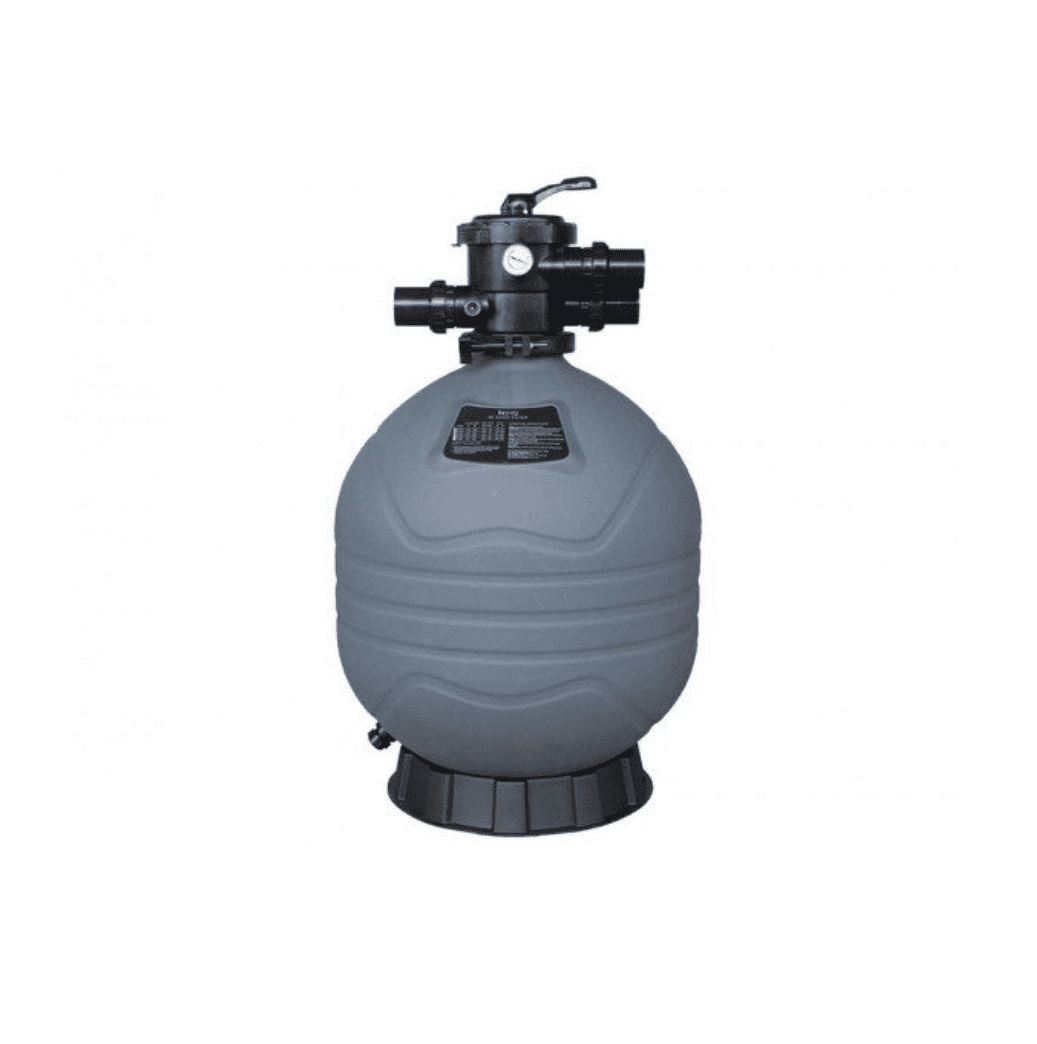
Your pressure gauge is the best indicator of filter health. If the needle sits 50kPa or more above your "clean" baseline, it's time to backwash or clean the cartridges. If pressure remains high after backwashing, your sand or glass media may be calcified. This requires a deep chemical soak or media replacement. Cartridge filters that "short cycle", clogging again within days of cleaning, usually have oils or minerals embedded in the fabric that a simple rinse won't remove. Always check the multi-port valve waste line. If water is trickling out while in "Filter" mode, an internal gasket has likely failed. Understanding these pressure shifts is a cornerstone of troubleshooting common pool equipment problems nz.
Advanced Systems: Salt Chlorinators and Heat Pumps
Modern New Zealand pools are increasingly reliant on sophisticated electronic systems to maintain water quality and temperature. While these "smart" components offer superior efficiency, they also introduce new variables when troubleshooting common pool equipment problems nz homeowners face. One of the most frequent calls we receive involves the "Low Salt" warning on a chlorinator. In many cases, the salt level in the water is perfectly fine. This warning is often a symptom of cold water temperatures (common in early spring) or a calcified cell that can no longer conduct electricity effectively. Understanding the difference between a chemical imbalance and a hardware fault is the first step toward a resolution.
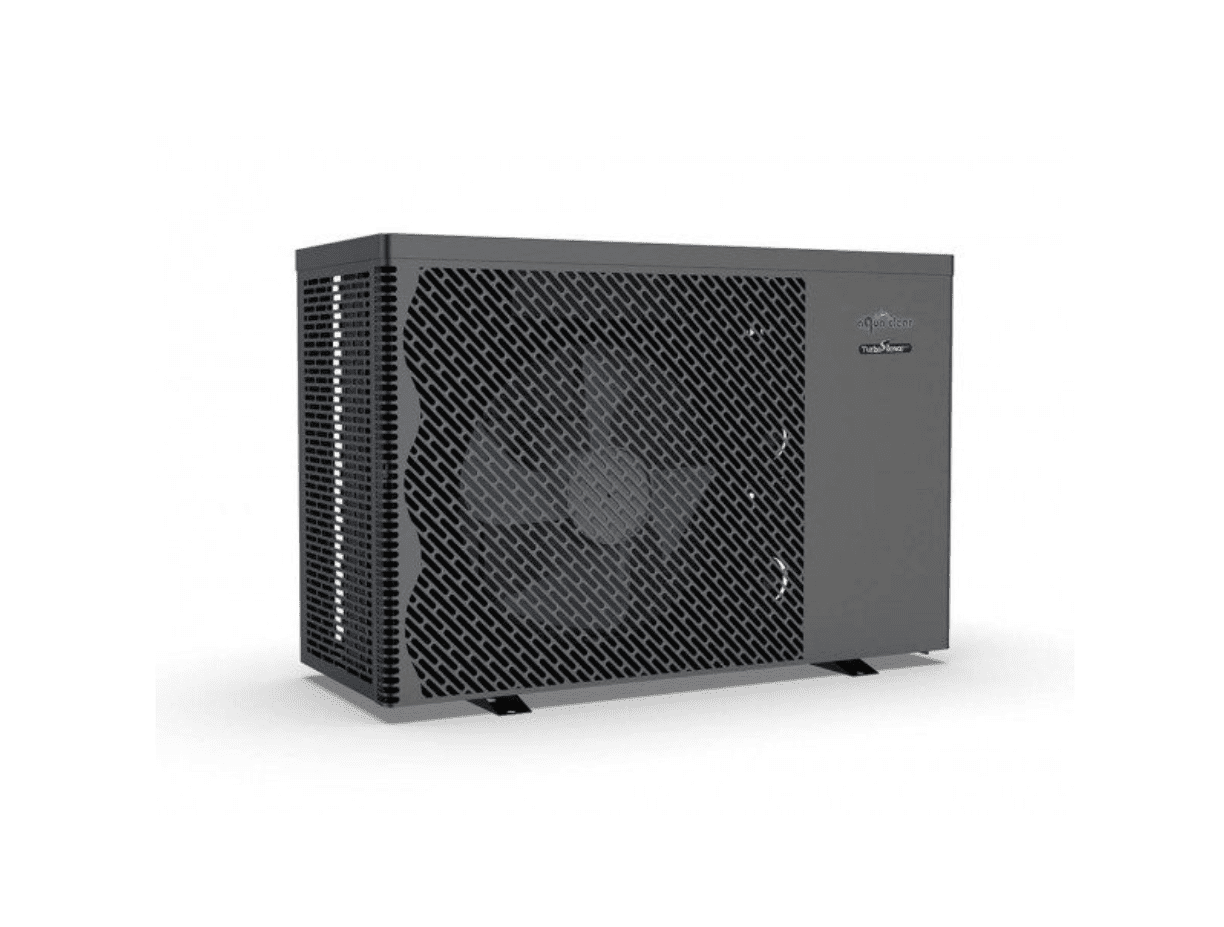
Heat pumps present their own unique challenges, particularly the "Low Flow" error. Because these units require a specific volume of water to transfer heat safely, any restriction in the system will trigger a shutdown. If you see this error, don't assume the heat pump is broken. It's usually a sign that your filter needs backwashing or a basket is full of leaves. For those using modern inverter technology, remember that these units are designed to ramp down their power as they approach the target temperature. If your heater seems "slow" as it nears 28°C, it's likely just operating in its most energy-efficient mode rather than failing.
Salt Chlorinator Maintenance
Inspect your salt cell monthly for "white flakes" or a chalky buildup on the plates. This calcification prevents the cell from producing chlorine, leading to cloudy water. If cleaning is required, use a mild acid solution (typically 1 part hydrochloric acid to 10 parts water) to dissolve the calcium without damaging the precious metal coating on the plates. Always test your power pack separately if the cell appears clean but production remains low. Remember that salt cells are consumables; most will require replacement every three to five years depending on use and water chemistry balance.
Heat Pump Performance Checks
To keep your heat pump running at peak efficiency, ensure the evaporator fins are clear of cobwebs, leaves, and salt crust. Restricted
airflow is the primary reason heat pumps fail to reach target temperatures. During a humid New Zealand spring, you may notice a large amount
of water pooling beneath the unit. This is usually just condensate from the defrost cycle rather than a plumbing leak. You can verify this
by turning the heater off for a few hours; if the "leak" stops, it's simply condensation. Mastering these small diagnostic steps is
essential for troubleshooting common pool equipment problems nz without calling in a technician for every minor
alert.
The 2026 Audit: Repair vs. Replace ROI
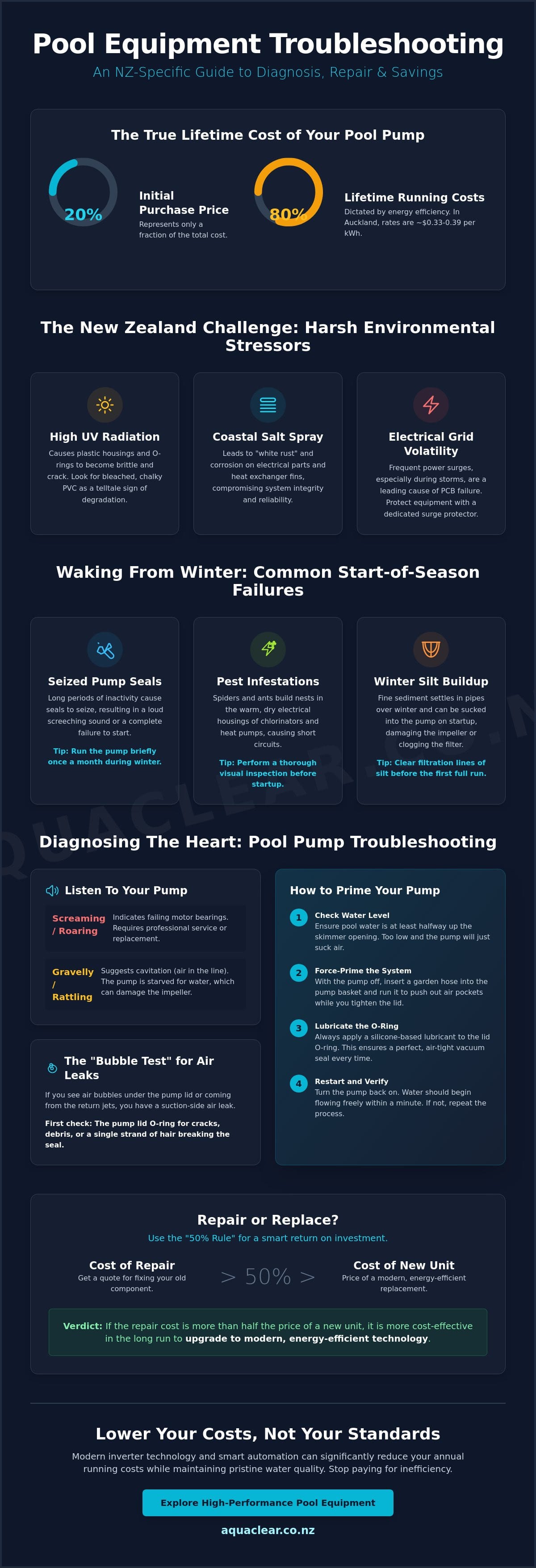
A fundamental part of troubleshooting common pool equipment problems nz homeowners face is knowing when to stop patching up old gear. While a quick fix might get your water moving again today, it often ignores the underlying financial reality of aging hardware. In 2026, we follow the "50% Rule." If a professional repair quote for a motor rewind or a new heat exchanger exceeds half the value of a replacement unit, it's time to invest in new technology. This is particularly true for equipment that has been in service for more than eight years, as the reliability of internal components begins to drop sharply after this point.
New Zealand consumers are also protected by the Consumer Guarantees Act (CGA). This legislation requires that pool equipment must be of acceptable quality and remain durable for a "reasonable" period. However, the CGA doesn't cover standard wear and tear or failures caused by poor water chemistry. When you weigh up a repair, consider the remaining life of the machine. Spending money on a ten-year-old single-speed pump is often throwing good money after bad, as other internal seals and gaskets are likely nearing the end of their lifecycle too.
Energy Efficiency Comparison
The financial argument for replacement has never been stronger due to current electricity prices. Consider these performance benchmarks for a typical Auckland property:
- Running Costs: A standard 1.5kW single-speed pump running for 8 hours a day now costs between NZ$950 and NZ$1,150 per year in electricity at Auckland's current rates of NZ$0.33 to NZ$0.39/kWh.
- Inverter Savings: Modern variable-speed pumps perform the same filtration for as little as NZ$200 to NZ$400 per year, representing a 70% to 75% reduction in energy use.
- Payback Period: For most NZ households, the electricity savings alone will pay back the cost of an inverter pump upgrade within two to four years.
Upgrading isn't just about the immediate bill. It's about reducing your home's carbon footprint through smarter equipment choices. Modern inverter heat pumps and variable speed motors are designed to run longer at lower speeds. This operation is significantly quieter and gentler on your filtration plumbing than the high-pressure bursts of older technology.
When to Call a Professional
There is a clear line where DIY troubleshooting common pool equipment problems nz must end for safety reasons. In New Zealand, it's illegal and dangerous for anyone other than a registered electrician to perform internal wiring repairs on pool pumps or chlorinator power packs. Electricity and water are a lethal combination. Improper grounding can lead to stray currents in your pool water, creating a major safety hazard.
You should also call a specialist if your heat pump has a refrigerant leak or if the main PCB (Printed Circuit Board) has failed. These components require specialized tools and diagnostic software to reset and calibrate correctly. If you've determined that your old gear is beyond help, you can find a range of reliable, energy-efficient pool equipment to restore your peace of mind and get your leisure space back in top condition.
Optimising Your Setup with Aqua Clear Products
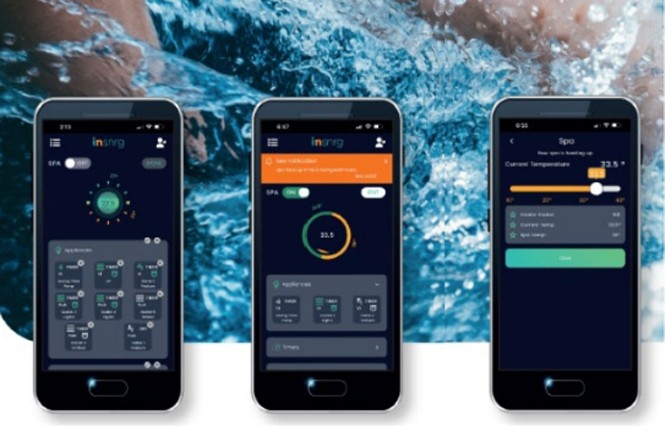
While troubleshooting common pool equipment problems nz is an essential skill for any owner, the most effective long-term strategy is building a system that minimizes these issues from the start. Aqua Clear Products specializes in hardware that addresses the specific environmental stressors found in New Zealand backyards. By choosing equipment designed for local conditions, you move away from reactive repairs and toward a more automated, reliable experience. Our team provides comprehensive technical guidance to ensure your filtration and heating components work in perfect harmony, reducing the likelihood of the common faults discussed in previous sections.
Reliability is built on consistent support and the availability of the right components when you need them. Aqua Clear Products maintains a robust supply chain with genuine parts available in Auckland and across the country. Whether you need a specific seal, a replacement basket, or specialized internal components, our nationwide shipping ensures your equipment downtime is kept to an absolute minimum. We position ourselves as long-term partners in your pool’s health, offering the expertise required to navigate the complexities of modern water management.
Aqua Clear Products Equipment Advantages
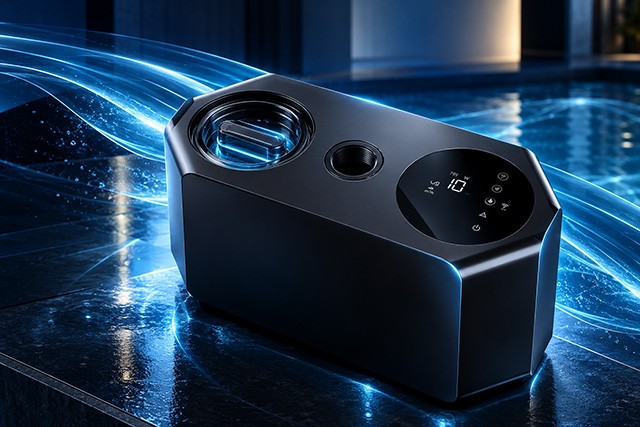
Our curated selection of hardware focuses on the key pillars of modern pool ownership: efficiency and ease of use. Our high-efficiency inverter pumps are specifically calibrated for New Zealand's energy market, providing significant operational savings without sacrificing performance. Additionally, our heat pumps boast industry-leading COP (Coefficient of Performance) ratings, ensuring your water stays at the perfect temperature even as ambient conditions shift. These units are also engineered for exceptionally quiet operation, ensuring your leisure space remains a peaceful retreat that complies with local residential noise regulations.
Next Steps for a Trouble-Free Summer
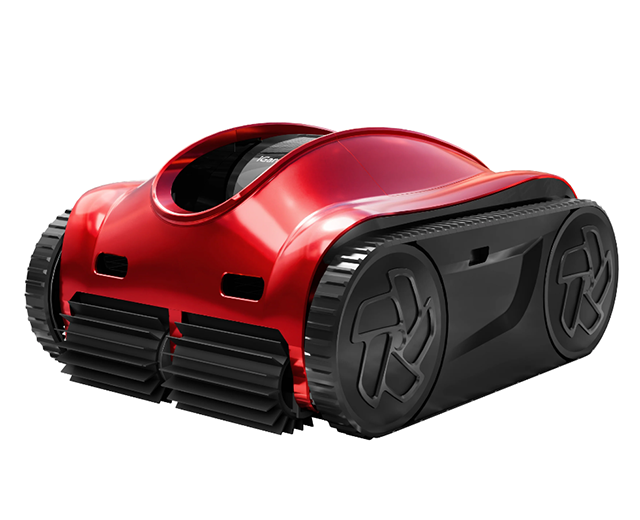
To ensure your system is ready for the high demands of the New Zealand summer, we recommend a professional equipment audit before the first swim of the season. This is the ideal time to source genuine replacement O-rings or integrate a robotic pool cleaner to reduce your manual maintenance load. Taking these proactive steps now prevents the need for emergency troubleshooting common pool equipment problems nz during the holidays. Browse our range of high-efficiency pool equipment today to secure a reliable and enjoyable swimming season.
Secure Your Summer with Smarter Pool Management
Mastering troubleshooting common pool equipment problems nz empowers you to maintain a pristine swimming environment while keeping operational costs under control. You've learned how the unique New Zealand climate impacts your hardware and why upgrading to modern inverter technology often provides a better return on investment than repairing aged components. Focusing on energy efficiency and proactive diagnostics ensures your leisure space remains a place of relaxation rather than a source of stress. It's about working smarter, not harder, to keep your water crystal clear.
With over 30 years of industry expertise, we're dedicated to helping Kiwi homeowners optimize their setups. We specialize in energy-saving inverter technology and provide full technical support with nationwide shipping to keep your systems running at peak performance. Upgrade Your Pool Equipment for a Worry-Free Summer and enjoy the peace of mind that comes with reliable, high-quality hardware. Take the first step toward a more efficient pool today. Your perfect swim is just a few clicks away.